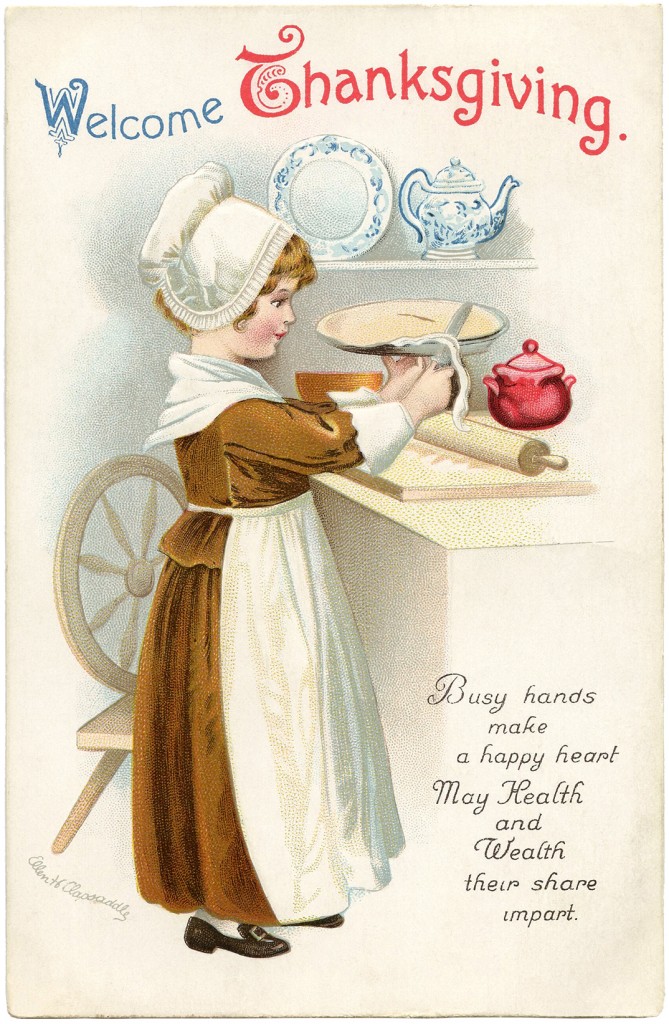
The Lord be Thanket!

The following is my translation of the Selkirk Grace:

“Some Folks have meat and cannot eat,  and some have meat that want it;

But we have meat and we can eat, and so the Lord be thankit!”

Many other forms exist, from the picturesque Scots to Gaelic.
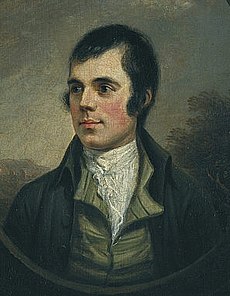
   Robert Burns — voted greatest Scot

The Grace has long been attributed to Robert Burns, the Scottish herald of the Romantic movement. Burns was a popular guest among the nobility, who were charmed by his command of the rustic tongue and his ability to entertain with stories and song.

He was a guest at the Earl of Selkirk’s country seat in the Isle of St. Mary’s, when he paid this tribute, off the cuff as it were, before dining at Lord Daer’s table, son of the 4th Earl.


There is some dispute about the authorship of the prayer.  One Robert Chambers*, relying upon an unnamed correspondent, alleges the Grace was said by Covenanters in the south-west of Scotland in the seventeenth century, where it was apparently known as the Galloway Grace.

Doubtful it would be remembered today had it not been taken up by the Ploughman’s Poet.

“I didn’t understand a word of that!”

Happy Thanksgiving!

*see Select Writings of Robert Chambers, Volume VII, (1847)
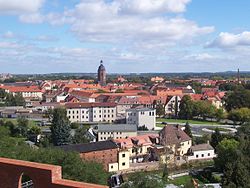


Nun danket alle Gott

“Now Thank We All Our God” has made its appearance once before in this blog.Eilenburg, Germany

Eilenburg was known as a center for German Reformation, prosperous and even boasting a walled exterior by the late sixteenth century. It was greatly favored by its Duke, George of Saxony.

Martin Luther called it a blessed lard pit.

Then came the Thirty Years’ War. By that time, Martin Rinkart (1586 – 1649) had become one of four pastors serving the town. Hundreds of refugees fleeing the fighting had taken shelter in Eilenburg and soon disease spread, culminating in the Great Pestilence. Afterwards came famine and it was not uncommon to see wretches in the street fighting over dead animals to eat.

One of the pastors fled the town and refused to return. The other two died, leaving Rinkart to officiate at their funerals in addition to many, many more, almost 4,500 in all. Not even his wife was spared.

Nevertheless, Rinkart still found time to compose prayer. The following offer of thanksgiving is his most famous, written to comfort his children:

Happy ThanksgivingNow thank we all our God

With hearts and hands and voices;

Who wondrous things hath done,

In whom this world rejoices.

Who, from our mother’s arms,

Hath led us on our way,

With countless gifts of love,

And still is ours today.